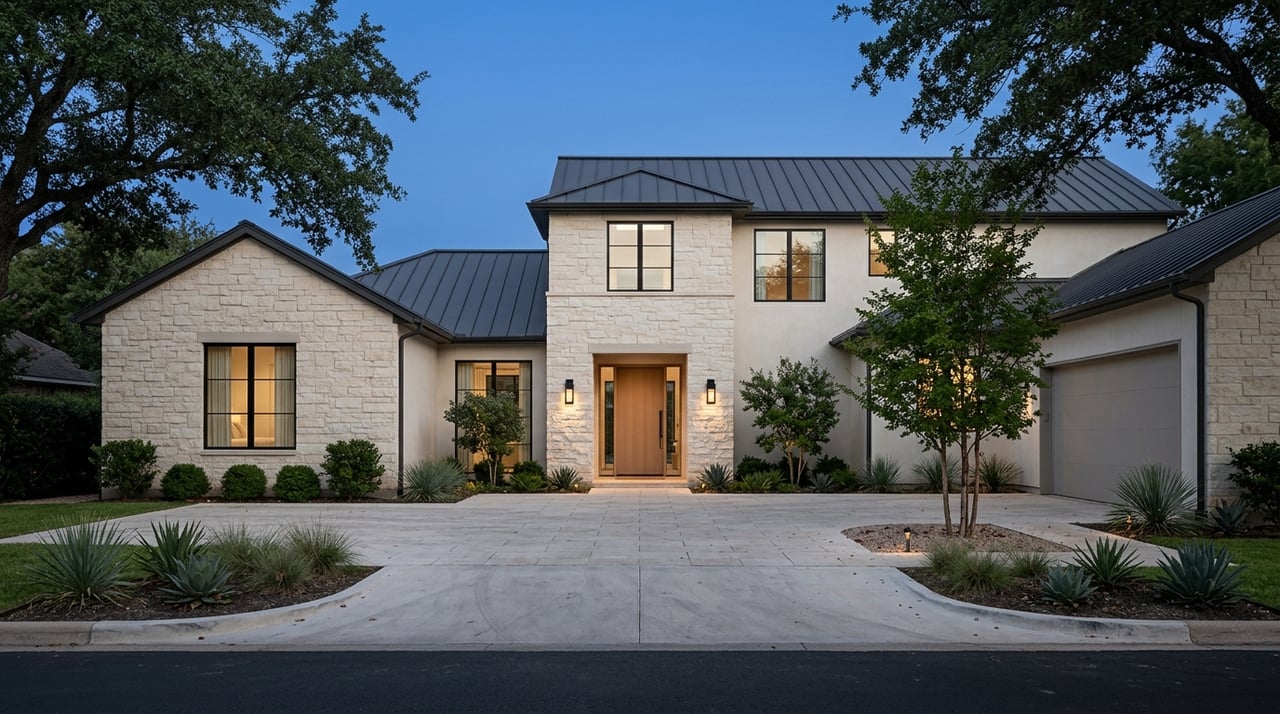
Moving into The Dominion is not just about buying a luxury home. It is about buying into a very specific ownership model, community structure, and day-to-day lifestyle. If you are considering a move here, you need more than beautiful listing photos and a quick tour. You need clarity on costs, rules, lot details, and how this community actually functions so you can make a smart decision with confidence. Let’s dive in.
The Dominion works differently
The Dominion is a master-planned community in northwest San Antonio along the IH-10 corridor, west of Loop 1604. According to the HOA, it spans more than 1,600 acres and includes 15 subdivisions plus commercial members. It is also set up as a planned unit development, with commercial uses outside the gates, including the country club and nearby shopping and office areas.
That matters because The Dominion is not one uniform neighborhood. When you buy here, you are not just choosing a house. You are also choosing a specific enclave, a lot, a rule set, and a level of oversight that can shape your ownership experience after closing.
Not every part of The Dominion feels the same
One of the biggest mistakes buyers make is assuming all of The Dominion offers the same home style, lot layout, and living experience. The HOA organizes the community by enclaves like The Bluff, The Cottage Estates, The Gardens, The Golf Course Estates, The Villas Estates, Lucchese Estates, and The Reserve. Consumer market data also breaks the area into smaller sections.
That means your buying strategy should go deeper than the neighborhood name. Two homes with similar square footage can feel very different depending on the enclave, the lot position, and the condition of the property. In a community like this, micro-location matters.
Compare the enclave, not just the address
Before you make an offer, take time to understand the subsection you are considering. Ask how the lot sits, what the nearby traffic flow feels like, and how much privacy the home really offers. A golf course location, greenbelt position, or interior street can create a very different daily experience.
The HOA also states that buyers may choose their own custom home builder. That reinforces the fact that The Dominion includes a mix of custom-build opportunities and more distinct enclave identities, rather than a one-size-fits-all layout.
Security is a core part of the community model
For many buyers, security is one of the main reasons The Dominion stands out. The HOA says the community is gated, has three gates, and operates with 24/7 professional security and access control procedures. The resident information also notes 24/7 off-duty SAPD officers onsite.
If controlled access is high on your list, this structure may be a strong fit. At the same time, it is helpful to understand that gated access also comes with rules, procedures, and community standards that are part of everyday life here.
The country club is separate
This point is easy to miss if you are new to the area. The Dominion Country Club is separate from the neighborhood and is private property. Its swim, golf, and tennis facilities are reserved for club members.
In simple terms, buying a home in The Dominion does not automatically give you country club membership. If club access is part of your lifestyle goal, make sure you understand that relationship and budget for it separately.
Budget beyond the mortgage payment
In The Dominion, ownership costs go well beyond principal and interest. The HOA says monthly dues are $295 and cover security, landscape maintenance, association utilities, association insurance, social events, reserve funding, and other common-area expenses.
At closing, the HOA lists a one-time special assessment of $3,500 plus a $300 transfer fee before monthly assessments begin. HOA dues also do not include country club membership. Buyers who plan carefully up front usually avoid the stress of discovering these costs too late in the process.
Utilities deserve an early review
Utility setup can vary, so it is worth checking this early in escrow. The HOA lists CPS for electricity, CSWR for sewer in some neighborhoods, Grey Forest Utilities for gas, and Republic Services for trash.
Trash service is handled directly rather than through HOA dues. That means it should be part of your monthly budget planning instead of an afterthought.
Property taxes can be a major line item
In Bexar County, taxes can be one of the largest parts of your total ownership cost. The county states that properties may be taxed by multiple jurisdictions, including the county, Flood Control, Alamo Community College, University Health, the San Antonio River Authority, an independent school district, and possibly a city or special district.
Taxes are due January 31 of the following year. If the home will be your primary residence, the homestead exemption generally applies only to your principal residence and is typically filed with the appraisal district between January 1 and April 30.
BCAD also offers an online portal for filing homestead exemptions, submitting protests, and receiving notices. For buyers, that makes it smart to review appraisal records and get your account set up early if you plan to occupy the home as your primary residence.
Exterior changes require approval
If you are buying with plans to personalize the property right away, pay close attention here. The HOA says any exterior change requires ACC approval, and the review package includes a plan-review application, checklists, owner and builder agreements, and fees or deposits.
The ACC meets on the second and fourth Tuesday of each month, and incomplete packages are returned. That timeline matters if you want to start updates soon after closing.
Common projects that need ACC review
According to the HOA, approval can apply to:
- Pools
- Fences and walls
- Decks and pergolas
- Roof changes
- Solar devices
- Landscaping and irrigation
- Flatwork
- Structural additions
If a home needs exterior work, factor in both cost and review time. In a community with formal architectural standards, your renovation timeline may not move as quickly as it would in a less regulated neighborhood.
Lot quality matters as much as the house
In The Dominion, lot analysis is a big part of smart due diligence. Because the community emphasizes controlled access, greenbelts, and man-made lakes, practical site questions can have a major impact on how the property lives day to day.
When you compare homes, look closely at details like privacy, drainage, slope, tree coverage, exposure to golf-course or open-space traffic, and how easy the site feels for daily access. These details can influence both enjoyment and long-term value, especially in a community where lot position can create meaningful price differences.
The market can vary more than you expect
The Dominion sits at the upper end of San Antonio pricing, but exact market metrics vary by source. Zillow reports a typical home value of $1,048,799 as of March 31, 2026. Realtor.com shows a median listing price of $1.01M and described the neighborhood as a buyer’s market in February 2026, while Redfin shows a March 2026 median sale price of $916K with homes taking about 99 days to sell.
The key takeaway is not to get stuck on one headline number. In The Dominion, the spread between listing prices, sale prices, and home values is a reminder that condition, lot, enclave, and updates matter a lot. Strong buying decisions here usually come from comparing specific properties, not broad averages.
The rental rules are important
If part of your plan involves rental flexibility, read the HOA policy carefully. The Dominion limits home rentals to a six-month minimum lease, and the HOA states that listing a property on short-term vacation rental sites is a policy violation.
That makes this community a poor fit for buyers who want an Airbnb-style strategy. If your goals include short-term rental income, you will want to know that before you commit to this neighborhood.
Verify details by property address
Some community information should always be confirmed by the exact home address. The HOA contact page currently lists Northside ISD and a feeder path of Leon Springs Elementary, Rawlinson Middle, and Clark High, but buyers should verify assignment by property address before relying on it.
This is one of those simple steps that can prevent major frustration later. Along with school assignment, buyers should also review HOA and CC&R documents, confirm tax entities, and understand any ACC timing or fees tied to the property they are considering.
How The Dominion compares nearby
If you are still deciding where to focus your search, it helps to understand what makes The Dominion distinct. Sonterra is one of the closest structure-based comparisons because it also includes multiple subdivisions, gates, and a country-club-oriented setup, though it operates under its own POA framework and fee cadence.
Hill Country Village, Olmos Park, and Shavano Park are different ownership models. These areas involve municipal governance rather than the same master HOA and separate club relationship that define The Dominion. If you want guard-gated access and a tightly managed community structure, The Dominion offers a very specific version of that experience.
What smart buyers do before making an offer
The buyers who feel best about a Dominion purchase usually go beyond finishes and square footage. They compare the house itself with the community structure around it and think carefully about how they plan to live in the home after closing.
A strong due diligence checklist often includes:
- Reviewing the specific enclave and subdivision rules
- Confirming HOA dues, transfer fees, and the one-time special assessment
- Understanding that club membership is separate
- Checking utility providers and direct trash billing
- Verifying lease restrictions if future rental use matters
- Reviewing ACC requirements before planning exterior changes
- Confirming tax entities and homestead timelines
- Verifying school assignment by exact address
- Evaluating lot privacy, slope, drainage, and traffic exposure
That level of preparation helps you buy with clarity instead of assumptions.
The Dominion can be an excellent fit if you want luxury, structure, controlled access, and a community with distinct identity. The key is understanding that you are buying more than a home. You are buying into a layered ownership experience where the enclave, lot, rules, fees, and lifestyle relationship all matter. If you want strategic guidance as you compare homes in The Dominion and across North San Antonio, Malina Bercher can help you evaluate the details that protect your investment and support the way you want to live.
FAQs
What should buyers know about HOA costs in The Dominion?
- The HOA says dues are $295 per month, and buyers should also expect a one-time $3,500 special assessment plus a $300 transfer fee at closing.
What should buyers know about country club access in The Dominion?
- The Dominion Country Club is separate from the neighborhood, and club membership is not included with HOA dues.
What should buyers know about security in The Dominion?
- The HOA states that the community has three gates, 24/7 professional security, access control procedures, and onsite off-duty SAPD officers.
What should buyers know about exterior renovations in The Dominion?
- The HOA requires ACC approval for exterior changes, including items like pools, fences, roof changes, landscaping, solar devices, and structural additions.
What should buyers know about rental rules in The Dominion?
- The HOA limits rentals to a minimum six-month lease term and states that short-term vacation rental listings violate community policy.
What should buyers know about school assignment in The Dominion?
- Buyers should verify school assignment by exact property address before relying on any published feeder information.
What should buyers know about property taxes in The Dominion?
- Bexar County properties may be taxed by multiple jurisdictions, taxes are due January 31 of the following year, and homestead exemptions are generally filed with the appraisal district between January 1 and April 30 for a primary residence.